Why Safeguarding Is Important: Protecting Children, Young People and Vulnerable Adults
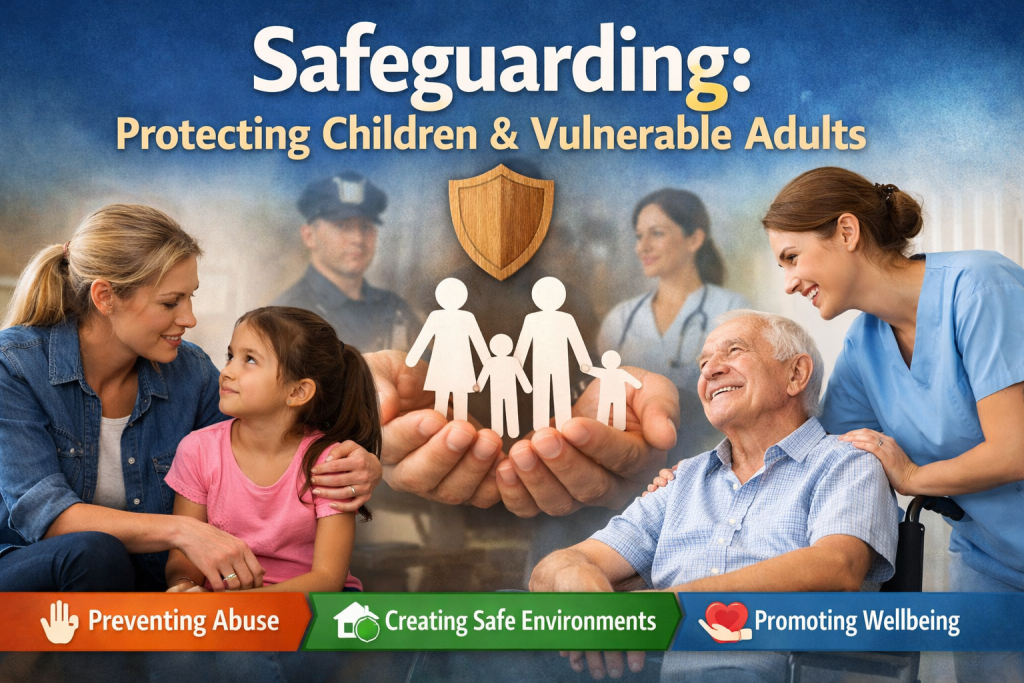
Safeguarding is a fundamental responsibility shared by individuals, organisations, and society as a whole. It exists to protect children, young people, and vulnerable adults from harm, abuse, neglect, and exploitation, while promoting their welfare and wellbeing. Effective safeguarding is not just a legal requirement — it is a moral duty that helps create safe environments where people can thrive.
In this article, we explore why safeguarding is important, what it involves, and how national guidance such as Working Together to Safeguard Children shapes safeguarding practice in the UK.
What Is Safeguarding?
Safeguarding refers to the actions taken to protect individuals from harm and to ensure their health, safety, and human rights are upheld. In the context of children, safeguarding means:
- Protecting children from abuse and neglect
- Preventing impairment of children’s health or development
- Ensuring children grow up in safe and effective care
- Taking action to enable all children to achieve the best outcomes
Safeguarding applies across settings including schools, early years, healthcare, social care, sports organisations, charities, and community groups.
Why Safeguarding Is So Important
1. Protecting Individuals From Harm
At its core, safeguarding exists to protect people from physical, emotional, sexual abuse, neglect, and exploitation. Without robust safeguarding measures, individuals at risk may remain unseen, unheard, and unsupported.
Early identification and intervention can prevent harm from escalating and, in some cases, can save lives.
2. Creating Safe and Trustworthy Environments
Strong safeguarding practices help create environments where children and vulnerable adults feel safe, respected, and listened to. This trust is essential for learning, development, and emotional wellbeing.
When safeguarding is taken seriously, people are more likely to:
- Speak up about concerns
- Report abuse or unsafe behaviour
- Seek help when they need it
3. Meeting Legal and Ethical Responsibilities
In the UK, safeguarding is underpinned by legislation such as:
- The Children Act 1989 and 2004
- The Care Act 2014
- The Education Act 2002
Organisations that fail to safeguard properly can face serious consequences, including legal action, reputational damage, and loss of public trust. More importantly, failures in safeguarding can result in significant harm to individuals.
4. Supporting Early Help and Prevention
Safeguarding is not only about responding to abuse — it is also about prevention. Recognising early signs of concern and offering timely support can reduce the need for more serious interventions later.
Early help services play a vital role in supporting families, improving outcomes, and reducing long-term risks.
Working Together to Safeguard Children: A Summary
Working Together to Safeguard Children is statutory guidance issued by the UK government. It sets out how organisations and professionals should work together to safeguard and promote the welfare of children.
The guidance emphasises that safeguarding is everyone’s responsibility and requires effective collaboration between agencies such as local authorities, schools, health services, police, and voluntary organisations. It highlights the importance of early help, information sharing, and child-centred practice, ensuring that the child’s voice is heard and their needs are at the centre of all decision-making.
Working Together also outlines the roles of safeguarding partners, expectations for assessments and referrals, and the need for clear accountability, strong leadership, and continuous learning to improve safeguarding outcomes.
The Role of Individuals and Organisations
Safeguarding is not just the responsibility of safeguarding leads or managers. Everyone working with children or vulnerable adults has a role to play, including:
- Being alert to signs of abuse or neglect
- Knowing how to report concerns
- Following safeguarding policies and procedures
- Attending regular safeguarding training
- Acting in the best interests of the individual at all times
A strong safeguarding culture encourages vigilance, transparency, and professional curiosity.
Conclusion: Safeguarding Saves Lives
Safeguarding is essential because it protects the most vulnerable members of society, promotes wellbeing, and helps prevent harm before it occurs. By following national guidance such as Working Together to Safeguard Children, organisations and professionals can work collaboratively to create safer environments and better outcomes for children and families.
Ultimately, effective safeguarding is about listening, acting responsibly, and putting people first — every time.